Everything You Need to Know About Paying Customs Duties
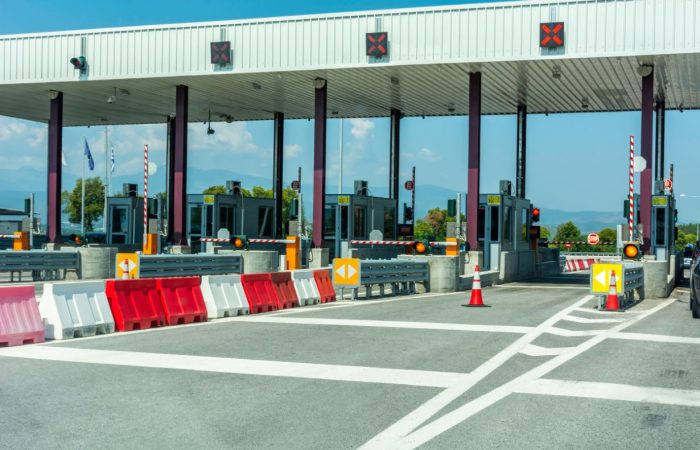
Customs control refers to the inspection of goods and passengers when crossing the borders of Croatia or the European Union (EU) to third countries and vice versa. Non-commercial goods transported between EU member states are not subject to customs control if their value does not exceed:
If the value of the goods exceeds these limits, the total value is subject to customs duties. Splitting the value or combining exemptions from multiple people for the same item is not allowed.
When entering Croatia, declaring goods is mandatory, regardless of whether the goods are subject to customs duties. Pay special attention to:

If goods are subject to payment, import duties are calculated. The key steps in the customs payment process are outlined below:
A flat customs duty of 2.5% is applied at the border crossing.
The customs officer will direct you to the standard customs clearance procedure at a customs office.
If the goods come from a country with which the EU has a free trade agreement, you may request a preferential rate for goods up to a value of €1,200, even without submitting proof of origin.
In addition to customs duty, VAT is calculated according to the rate applicable to the type of goods (usually 25%).
Excise duties are also applied to specific products such as alcohol, tobacco, and fuel.
If you disagree with the calculation, you can request the standard customs clearance procedure.
