
Is Hybrid Work the Future?
What Is Hybrid Work?
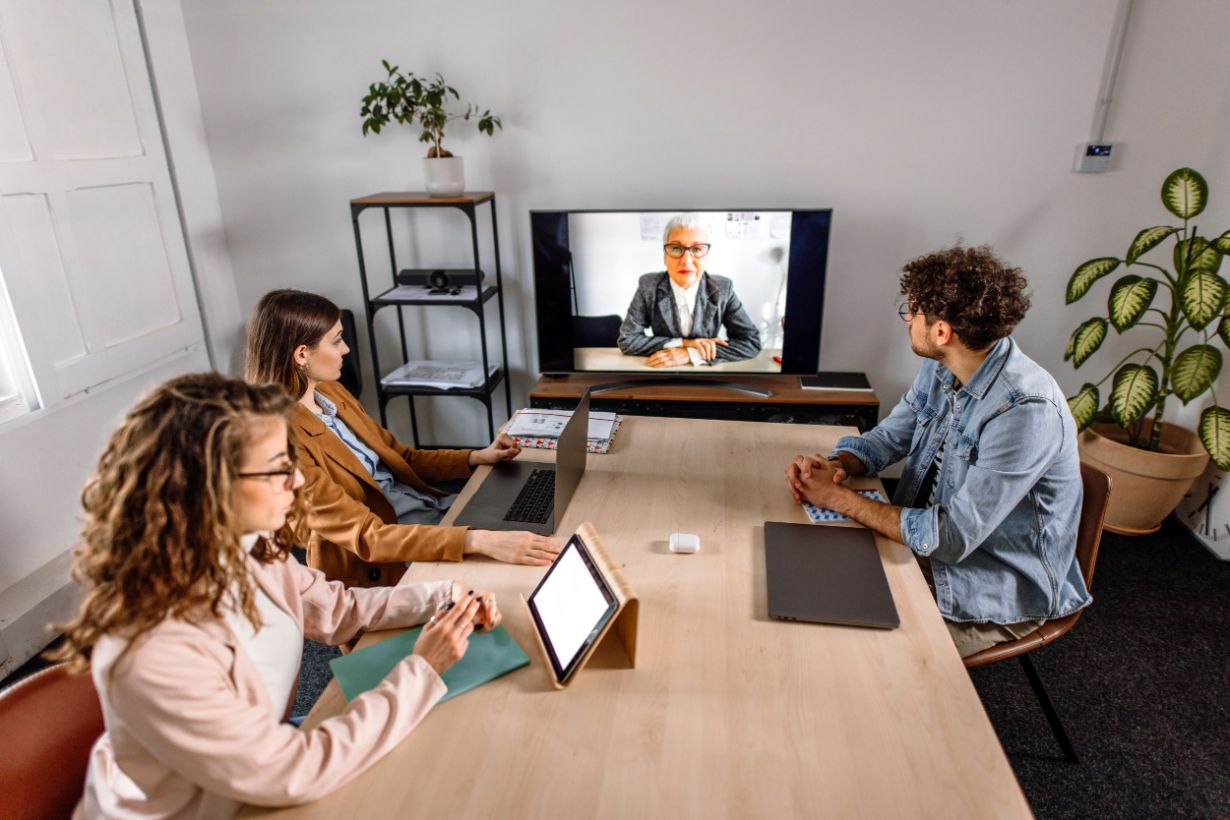
Hybrid work is a flexible model that combines the advantages of traditional in-office work with the benefits of remote work. Employees can choose to work from the office a few days a week while spending the rest of their time working from home or another location.
For example, a hybrid work schedule might look like this:
- Two days a week in the office, three days remotely.
- Two weeks working from home, two weeks in the office.
- Flexible scheduling based on the needs of both employees and the employer.
The goal of this model is to increase productivity, enhance employee satisfaction, and reduce business costs. This approach is popular among companies of all types, whether they operate through virtual offices or have a physical business location.
Benefits of Hybrid Work for Employees
Benefits of Hybrid Work for Employers
Reduced Business Costs
Having fewer employees in the office allows companies to lower expenses for office rent, utilities, and equipment.
Increased Employee Satisfaction and Engagement
Employees who enjoy flexible work arrangements are more likely to be engaged and loyal to the company, ultimately boosting productivity and reducing turnover.
Benefits of Hybrid Work for Society
More Employment Opportunities
Employees are no longer limited to working near a physical office, opening up job opportunities in remote or underserved regions.
Reduced Environmental Pollution
Fewer commutes mean lower carbon dioxide emissions, contributing to environmental preservation and sustainability.
Healthier Lifestyle
Hybrid work reduces stress associated with commuting and fast-paced daily routines, supporting a better balance between work and personal life.
Challenges of Hybrid Work and How to Overcome Them
Despite its many advantages, hybrid work comes with certain challenges and requires proactive solutions:
Lack of communication and team connection
Solution: Introduce regular virtual meetings, use digital collaboration tools (e.g., Slack, Microsoft Teams), and organize occasional in-person meetups.
Finding a suitable home workspace
Solution: Employers can support employees by providing financial assistance for essential equipment, such as desks, chairs, and monitors.
Managing remote teams
Solution: Clearly define goals, deadlines, and expectations, and use task management tools like Monday, Trello, or Asana.
Adapting to a new way of working
Solution: Implement the hybrid model gradually, gather employee feedback, and provide training on new tools and processes.
These steps help ensure that hybrid work remains productive, engaging, and sustainable for both employees and employers.
Why Hybrid Work is the Future
Hybrid work allows adaptation to the specific needs of both employees and employers. Its flexibility, economic benefits, and positive impact on society and the environment make it an ideal work model for the future. Companies that adopt this approach can gain a significant competitive advantage in the labor market and attract top talent. If you want to increase productivity, employee satisfaction, and reduce costs, consider implementing hybrid work in your organization.